
A runner progressing along an outdoor route with BodyRepair Running

Launching 6 August 2026

BodyRepair Running is coming.

A connected, health-led running pathway supporting first movement, general fitness, event preparation and competitive performance.

  • Health screening and personal baselines
  • Progressive running programmes
  • Route, recovery and symptom tracking
  • Smart-glasses and future wearable support

Metabolic Health

Cinnamon

Cinnamomum species, including Cinnamomum verum and Cinnamomum cassia

Cinnamon is a widely used culinary botanical studied for blood-glucose control and selected weight-related outcomes. Human evidence suggests possible modest metabolic effects in some populations, but results are inconsistent and vary substantially by species, dose and preparation.

Evidence Promising
Clinical confidence Low
Safety Caution
Preparation reviewed

Culinary cinnamon, powdered cinnamon, capsules and standardized extracts are assessed separately where relevant. Species matters because cassia cinnamon generally contains more coumarin than Ceylon cinnamon.

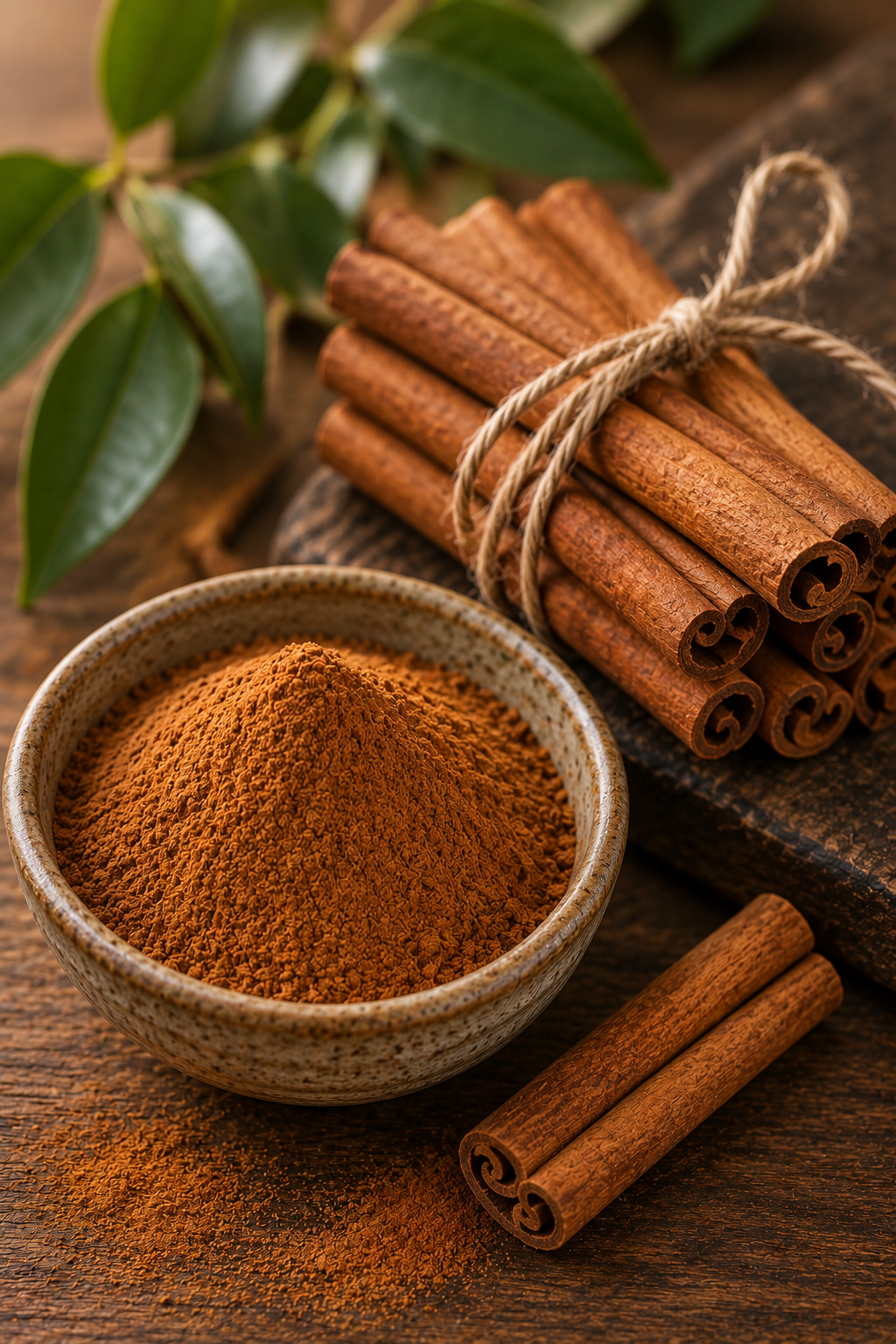
Cinnamon sticks and ground cinnamon prepared for evidence-led review
Botanical identity, formulation and preparation matter. Findings from one preparation should not automatically be applied to another.

Evidence assessment

What does the current evidence support?

Promising

Current evidence summary

Systematic reviews and meta-analyses suggest cinnamon supplementation may reduce fasting blood glucose in some people with type 2 diabetes and may produce small reductions in body weight or BMI in some studies. However, effects on HbA1c and other metabolic outcomes are inconsistent, and heterogeneity across trials is substantial. Current evidence supports a possible adjunctive role rather than a treatment-level claim.

Evidence limitations

Trials vary by cinnamon species, dose, preparation, duration, participant characteristics and background treatment. Some studies do not identify the cinnamon species used. Differences in coumarin content, extract standardisation and study quality make direct comparison difficult. Positive findings should not be interpreted as evidence that cinnamon is equivalent to licensed diabetes or weight-management treatment.

Clinical confidence Low

BodyRepair has low confidence in practical use because the evidence is limited, inconsistent, difficult to apply or affected by important safety or preparation concerns.

Safety assessment

Safety is assessed separately from evidence of benefit.

Caution

Current safety summary

Cinnamon used in ordinary culinary amounts is generally lower risk. Larger supplemental doses or prolonged use require greater caution, particularly with cassia cinnamon because it can contain substantial amounts of coumarin. High or prolonged coumarin exposure may be a concern for liver health in susceptible people.

Reported or relevant adverse effects

  • Gastrointestinal discomfort at higher supplemental doses
  • Allergic reactions
  • Skin irritation or contact dermatitis from topical cinnamon products
  • Potential liver injury risk from high or prolonged coumarin exposure, particularly with cassia cinnamon

Interaction review

Drug, Supplement & Botanical Interactions

Potential interactions should be reviewed in relation to the botanical preparation, dose, frequency, prescribed medicines, supplements and individual health circumstances.

Caution
Prescription medicine

Diabetes medicines

Promising

Cinnamon may lower blood glucose in some people and could add to the effects of glucose-lowering treatment.

Recommended action

People taking diabetes medicines should discuss regular high-dose cinnamon supplementation with their clinician or pharmacist.

General interaction review

Medicines affecting the liver

Under Review

Because cassia cinnamon can contain coumarin, prolonged high intake may be a concern when combined with medicines that also affect liver function.

Recommended action

Seek pharmacist or prescriber advice before using high-dose cassia cinnamon supplements alongside medicines with liver-related cautions.

General interaction review

Other prescription medicines

Under Review

Potential interactions depend on cinnamon species, preparation, dose and concurrent treatment.

Recommended action

Check concentrated cinnamon supplement use with a pharmacist when taking regular prescription medicines.

BodyRepair safety rule

Do not stop, replace or alter prescribed treatment because of botanical information without advice from an appropriately qualified healthcare professional.

Clinical suitability

Contraindications & Clinical Cautions

Contraindications should be considered in relation to the botanical species, preparation, dose, diagnosed conditions, age, pregnancy, breastfeeding and planned procedures.

Caution
Clinical condition

Liver disease

Medical Supervision Required Established

Cassia cinnamon can contain coumarin, which may worsen liver problems when exposure is high or prolonged.

Recommended action

Avoid high-dose cassia cinnamon supplements without medical advice.

Life stage

Pregnancy

Caution Clinical Practice

Food-level cinnamon intake is different from high-dose supplementation. Safety of larger supplemental amounts during pregnancy is uncertain.

Recommended action

Use culinary amounts unless an appropriately qualified clinician advises otherwise.

Life stage

Breastfeeding

Caution Under Review

There is limited information about the safety of high-dose cinnamon supplementation during breastfeeding.

Recommended action

Prefer culinary amounts and seek professional advice before using concentrated supplements.

Allergy

Known cinnamon allergy

Avoid Established

Cinnamon may trigger allergic or irritant reactions in susceptible people.

Recommended action

Avoid cinnamon products that have previously caused an allergic reaction.

BodyRepair clinical rule

Where pregnancy, breastfeeding, surgery, a diagnosed condition, significant symptoms or prescribed treatment are relevant, professional review should take priority over self-directed use.

BodyRepair Interpretation

What BodyRepair concludes from the current record.

Cinnamon may have a modest supportive role within metabolic-health and nourishment strategies, particularly for fasting blood-glucose control in some populations, but the evidence is inconsistent and should not be overstated. BodyRepair does not consider cinnamon a treatment equivalent to licensed diabetes or weight-management medicines. Species identification is important because cassia and Ceylon cinnamon differ materially in coumarin exposure.

Living evidence record

Evidence Timeline

New studies, safety information, corrections, editorial decisions and version changes remain visible here.

9 August 2026 Canonical Review
Human Reviewed

Cinnamon upgraded to the BT-013 canonical evidence standard.

The record was strengthened with clearer evidence limitations, species-specific coumarin safety, interaction cautions and a more explicit separation between culinary use and concentrated supplementation.

January 2024 Systematic Review
Promising

Updated meta-analysis reviews glycaemic control in type 2 diabetes.

An updated systematic review of randomized trials assessed cinnamon supplementation for glycaemic control in people with type 2 diabetes, adding to a mixed evidence base with variable results across fasting glucose and HbA1c outcomes.

2020 Systematic Review
Promising

Meta-analysis reports small reductions in body weight and BMI.

A systematic review and meta-analysis of randomized trials reported small reductions in body weight and BMI with cinnamon supplementation, while identifying substantial heterogeneity across studies.

Current Safety Review
Safety Alert

NCCIH highlights cassia cinnamon coumarin and liver concerns.

NCCIH notes that prolonged high intake of cassia cinnamon may be a concern for people with liver disease because coumarin exposure varies by species and product.

Living evidence record

Evidence status may change as new research, safety information and human editorial review become available. BodyRepair records material changes rather than treating botanical evidence as permanently settled.

Human review history

Editorial accountability remains visible.

Version
1.1
Reviewed by
BodyRepair Editorial Review
Last reviewed
9 August 2026
Next review
9 November 2026
AI monitoring
Active
Publication authority
Human editorial approval

Source register

Evidence sources supporting this record.

NCCIH

Cinnamon: Usefulness and Safety

Species differences, adverse effects, coumarin exposure, liver-safety context and general evidence limitations.

Open source
NCCIH

Diabetes and Dietary Supplements: What You Need To Know

Glycaemic evidence and diabetes-related supplement safety context.

Open source
PubMed

The effect of cinnamon supplementation on glycemic control in patients with type 2 diabetes mellitus

Updated glycaemic-control systematic review and meta-analysis.

Open source
PubMed

Effects of cinnamon supplementation on body weight and composition in adults

Weight and body-composition systematic review and meta-analysis.

Open source

Future evidence monitoring

AI can monitor evidence. Humans retain publication authority.

BodyRepair may use artificial intelligence to identify new research, safety notices, corrections and retractions relevant to this botanical.

AI-generated findings remain drafts until reviewed and approved through the BodyRepair editorial process.

BodyRepair Botanical Therapies

Continue exploring the botanical evidence library.

Return to Botanical Therapies or explore the wider Evidence Centre.