
Understand the injury
Record injury history, affected areas, symptoms, treatment, restrictions and current capability.

Injury Repair
Clinical pathway
BodyRepair Injury Repair connects health screening, anatomical body mapping, phased rehabilitation, pain monitoring, recovery support and professional collaboration within one structured pathway.
BodyRepair supports rehabilitation planning and progress tracking. It does not diagnose injuries or replace professional medical assessment.
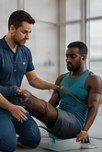
Recovery with structure
The pathway brings together what happened, what is affected, what is currently possible and how progression should be monitored over time.
Record injury history, affected areas, symptoms, treatment, restrictions and current capability.
Organise rehabilitation through controlled stages rather than moving directly from pain to full loading.
Track pain, movement, treatment, recovery and functional milestones within one continuous record.
How the pathway works
Each stage contributes to a safer and more transparent understanding of the person’s recovery.
Record relevant health history, injury information, treatment and contraindications.
Identify affected regions and connect symptoms with anatomical areas.
Establish pain, mobility, strength and functional starting points.
Organise exercises, restrictions, review points and progression criteria.
Record effort, symptoms, movement quality and completed rehabilitation work.
Connect treatment, sleep, pain, soreness and recovery confidence.
Advance, repeat, reduce or pause based on meaningful recovery information.
Guided clinical intake
The pathway records the context surrounding the injury before recommending progression.

Anatomical body map
The body map provides a visual record of affected regions, helping the pathway preserve injury context across exercises, treatments, symptoms and future goals.
Phased rehabilitation
BodyRepair organises rehabilitation around controlled phases so the plan can respond to healing, movement quality, symptoms and functional readiness.
Focus on appropriate protection, gentle movement, symptom monitoring and preservation of safe capability.
Develop movement tolerance, range, stability and early strength within agreed restrictions.
Rebuild capacity for everyday movement, work, exercise or sport through progressive functional loading.
Completing a set number of days does not automatically mean the body is ready to advance. Pain, movement quality, functional milestones, treatment guidance and recovery information should influence progression.
Rehabilitation session tracking
Every session can contribute useful information about tolerance, symptoms, confidence and recovery.
Compare symptoms before activity, during loading and after the session.
Record meaningful changes in mobility and functional movement where appropriate.
Capture repetitions, resistance, duration, effort and tolerance.
Track progress towards everyday, occupational or sporting activities.

Safety and contraindications
BodyRepair is designed to prevent rehabilitation goals from overriding relevant restrictions, symptoms or professional advice.
Recovery beyond the exercise
The pathway connects movement with recovery behaviours, treatment, nourishment and the wider conditions that may influence progress.
Support movement quality and confidence between structured rehabilitation sessions.
Consider fatigue, sleep quality and readiness before progressing load.
Add physiotherapy, massage, clinical appointments or other relevant treatment to the recovery history.
Connect meals, hydration and recovery priorities with the work of tissue repair and rehabilitation.
Review whether pain, stiffness, weakness or swelling is improving, recurring or worsening.
Repeat, reduce or pause work when recovery information suggests progression is not appropriate.
Professional collaboration
With the user’s permission, relevant information can support conversations with physiotherapists, sports therapists, trainers, coaches or clinicians.

BodyRepair Vision
Compatible smart glasses can extend rehabilitation support beyond the phone by presenting concise instructions and allowing simple voice interaction.
Smart glasses should not be presented as independently diagnosing injury, measuring joint movement clinically or replacing direct professional observation.
Clinical infrastructure
BodyRepair does not begin with a generic programme. It begins by understanding your health, capability, current activity, injuries, restrictions and goals, then builds a pathway around the information that matters.
Capture the health, injury, treatment, medication and movement information needed to establish a safe starting point.
Record what you can do today, including current activity, pain, mobility, fitness and recovery indicators.
Shape progression around your current capability, with restrictions, contraindications and review points built in.
Track progress, symptoms, treatment and recovery so the pathway can respond as your needs change.
Health-led progression
BodyRepair helps organise information, identify patterns and support safer decisions. It does not diagnose medical conditions or replace a doctor, physiotherapist or other suitably qualified professional.
Who the pathway may support
Suitability depends on the individual’s health, injury, treatment and professional guidance.
People beginning gentle, controlled movement after injury or treatment where participation has been considered appropriate.
People developing mobility, strength, confidence and functional tolerance across a longer rehabilitation period.
People preparing to return to daily activity, employment, fitness, running, strength work or sport.
New, severe, unusual or rapidly worsening symptoms should not be managed through the platform alone. Seek appropriate professional, urgent or emergency care where required. Always follow restrictions or instructions given by a suitably qualified professional.
BodyRepair Injury Repair
Begin from your current capability and build a clearer record of the journey towards safer movement and functional return.