
8
Botanical categories
The first evidence-led categories established in the library.

BodyRepair Health Library
Evidence-led information about plant-derived preparations, traditional botanical products and emerging botanical research—presented with safety, interactions, limitations and human editorial review clearly visible.
BodyRepair does not present botanical products as replacements for diagnosis, prescribed treatment or professional medical care. Botanical information is reviewed within an evidence and safety framework.
Botanical evidence overview
These figures are initial foundation values and will later update automatically as records move through research discovery, review and publication.
8
The first evidence-led categories established in the library.
6
Foundation botanical records currently available in the library.
0
Interaction, contraindication and regulatory notices published.
6
Foundation records currently subject to continuing editorial review.
Clinical principles
Botanical evidence is considered separately from marketing, tradition and popularity. Every record must make its limits, risks and relevance clear.
Human studies, systematic reviews, guidance and research quality are considered before a status is assigned.
Evidence of benefit is kept separate from tolerability, adverse effects, dosage concerns and risk.
Prescribed medicines, diagnosed conditions, pregnancy, breastfeeding and procedural risks are considered visibly.
Artificial intelligence may support research discovery, but public publication remains human approved.
Botanical library
Categories organise the library without implying that every botanical within a category is effective, appropriate or safe for every person.
Evidence concerning appetite regulation, glucose metabolism, satiety and weight-management support.
Library foundationBotanical preparations studied in relation to digestion, gut comfort, fibre and gastrointestinal wellbeing.
Library foundationResearch concerning inflammation, exercise recovery, joint comfort and post-training support.
Library foundationEvidence concerning sleep quality, relaxation, stress response and recovery routines.
Library foundationResearch concerning attention, memory, mental fatigue and healthy cognitive ageing.
Library foundationEvidence concerning blood pressure, circulation, lipids and wider cardiovascular risk factors.
Library foundationBotanical evidence relevant to mobility, resilience, vitality and long-term wellbeing.
Library foundationEvidence concerning sex-specific health needs, hormonal transitions and life-stage support.
Library foundationPublished botanical profiles
Every profile separates scientific evidence, clinical confidence, safety, interactions, contraindications and BodyRepair Interpretation.
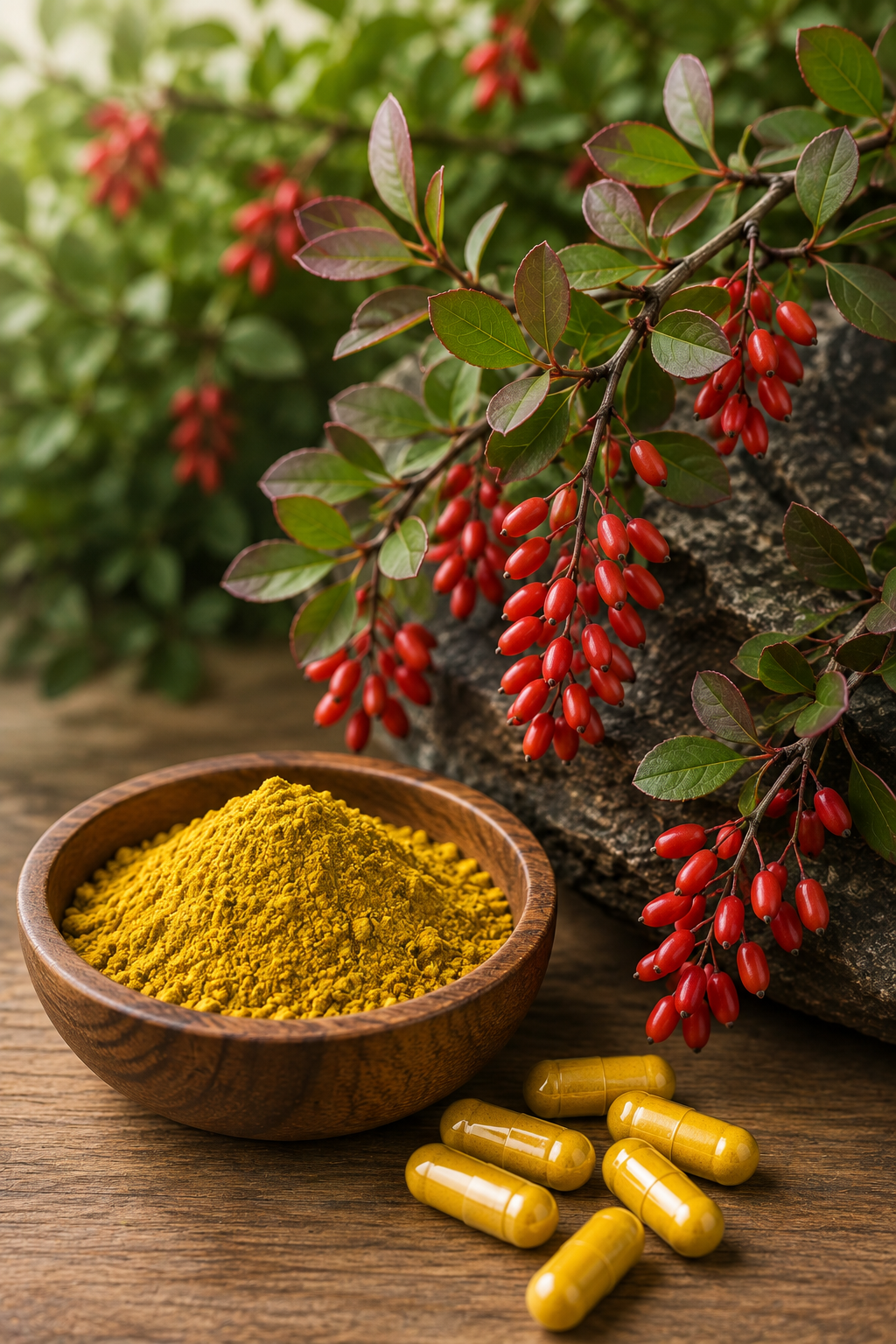
Plant-derived isoquinoline alkaloid found in species including Berberis vulgaris and Coptis chinensis
Preparation: Berberine-containing supplements and standardized extracts are assessed separately from whole-plant preparations because berberine content, purity and absorption can differ.
Berberine is a plant-derived alkaloid studied for metabolic health, including blood glucose, lipid metabolism and weight-related outcomes. Human evidence suggests possible modest benefit in selected populations, but the effect size is small and the evidence base remains heterogeneous.
3 interaction or medicine cautions are recorded in this profile.
4 contraindications or clinical cautions are recorded in this profile.
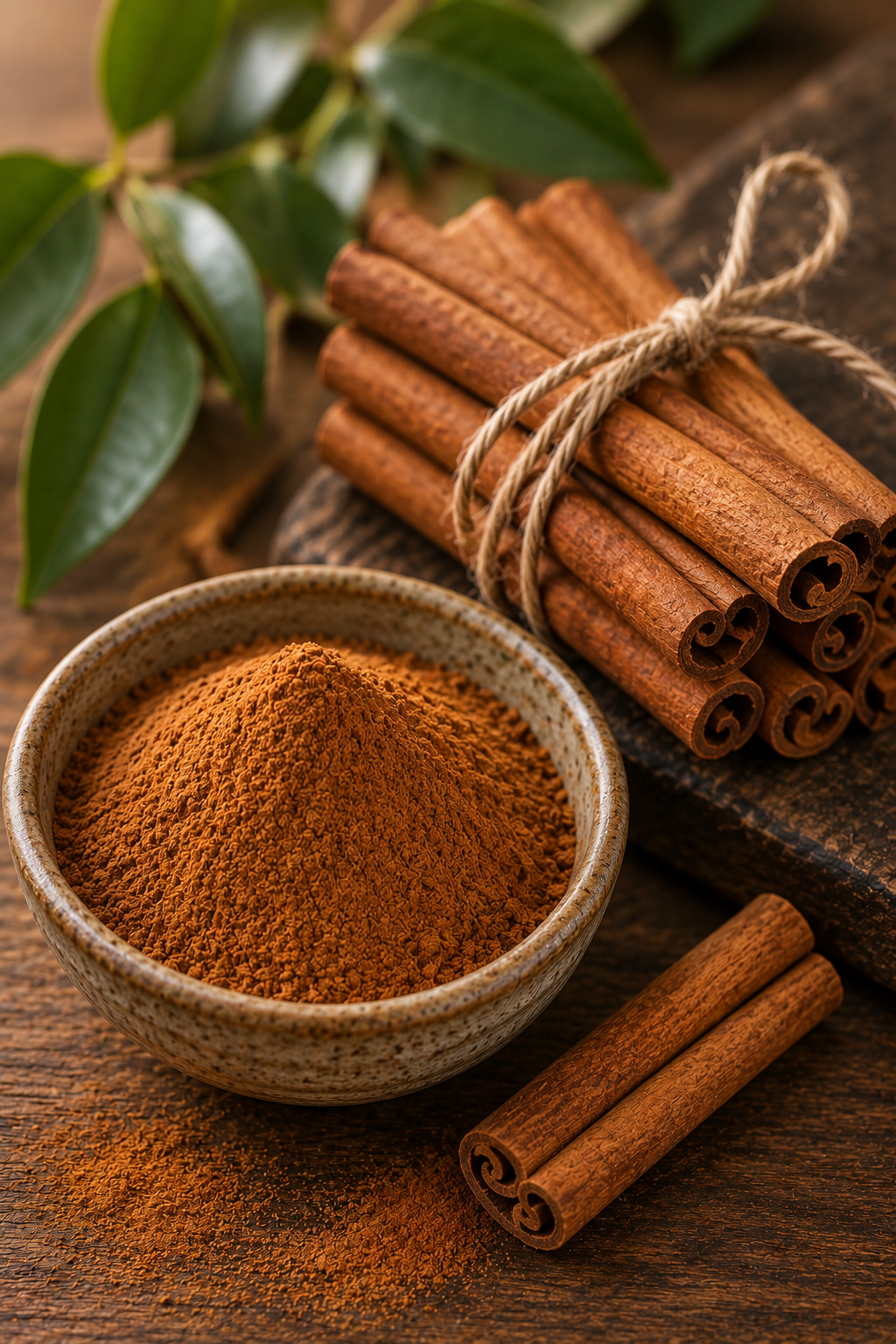
Cinnamomum species, including Cinnamomum verum and Cinnamomum cassia
Preparation: Culinary cinnamon, powdered cinnamon, capsules and standardized extracts are assessed separately where relevant. Species matters because cassia cinnamon generally contains more coumarin than Ceylon cinnamon.
Cinnamon is a widely used culinary botanical studied for blood-glucose control and selected weight-related outcomes. Human evidence suggests possible modest metabolic effects in some populations, but results are inconsistent and vary substantially by species, dose and preparation.
3 interaction or medicine cautions are recorded in this profile.
4 contraindications or clinical cautions are recorded in this profile.
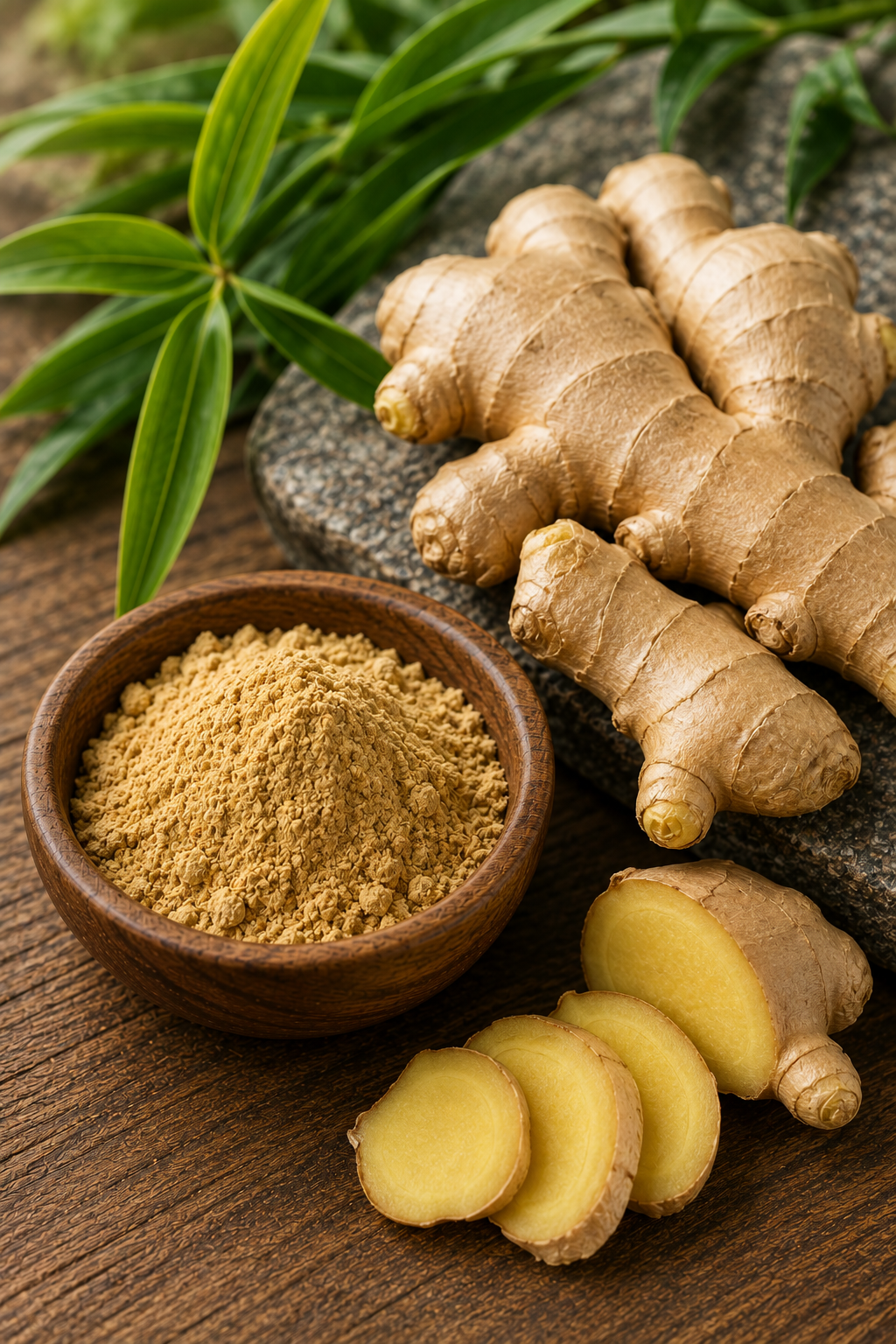
Zingiber officinale
Preparation: Fresh or dried ginger used as food or infusion is distinguished from concentrated powders, capsules and extracts because dose and exposure differ substantially between preparations.
Ginger is a widely used culinary and medicinal botanical with human evidence supporting an anti-nausea role, particularly in pregnancy-related nausea. Research has also explored inflammatory, glycaemic and weight-related outcomes, but these applications have a less certain evidence base.
3 interaction or medicine cautions are recorded in this profile.
4 contraindications or clinical cautions are recorded in this profile.

Camellia sinensis
Preparation: Brewed green tea is assessed separately from concentrated green tea extracts and supplements because catechin exposure, caffeine exposure and safety can differ substantially between preparations.
Green tea is a widely consumed botanical beverage containing catechins, including epigallocatechin gallate (EGCG), together with naturally occurring caffeine. Human research suggests possible small effects on body weight, adiposity and selected metabolic measures, but the magnitude of benefit is modest and varies by preparation, dose, population and study design.
4 interaction or medicine cautions are recorded in this profile.
4 contraindications or clinical cautions are recorded in this profile.
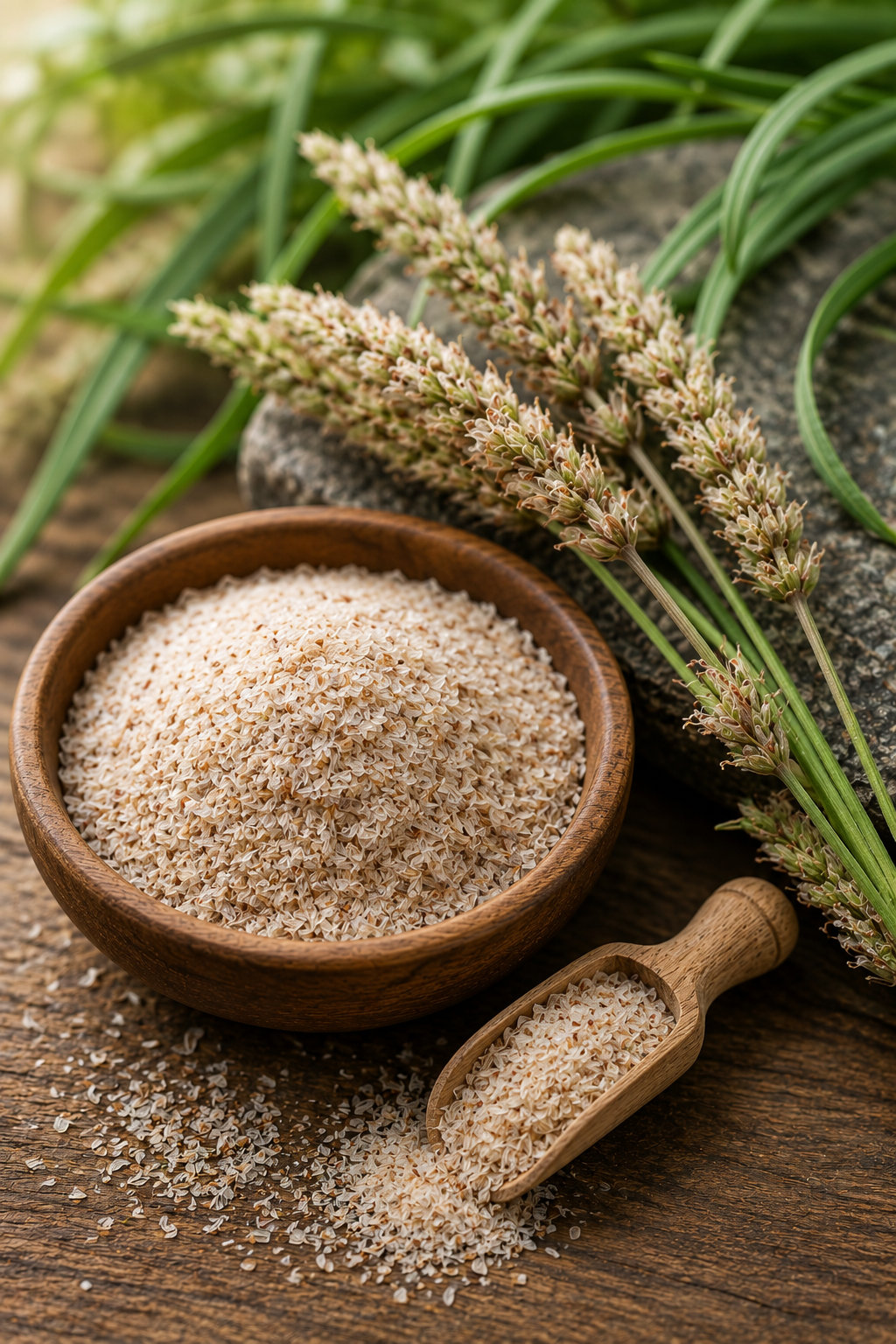
Plantago ovata
Preparation: Psyllium husk or psyllium fibre powder taken with adequate fluid. Product instructions, dose spacing and hydration requirements are clinically important because psyllium forms a viscous gel in the gastrointestinal tract.
Psyllium is a gel-forming soluble fibre with established use as a bulk-forming laxative and a substantial evidence base for cholesterol reduction. Human studies also suggest modest benefits for glycaemic control, satiety and selected weight-related outcomes when psyllium is used consistently within a broader dietary strategy.
4 interaction or medicine cautions are recorded in this profile.
4 contraindications or clinical cautions are recorded in this profile.

Curcuma longa
Preparation: Culinary turmeric, turmeric powder, curcumin extracts and enhanced-bioavailability curcumin formulations are assessed separately because curcuminoid exposure, formulation and absorption can differ substantially.
Turmeric is a culinary and traditional botanical containing curcuminoids, including curcumin. Human research has examined osteoarthritis, inflammatory conditions, metabolic health and weight-related outcomes. Some findings are promising, but formulation differences and variable study quality limit firm conclusions.
4 interaction or medicine cautions are recorded in this profile.
4 contraindications or clinical cautions are recorded in this profile.
Botanical record standard
This prevents promotional wording, selective evidence and unclear safety information from determining how a botanical is presented.
Botanical research activity
This timeline will record new botanical research, safety notices, corrections, retractions and human editorial decisions.
The library structure now separates evidence strength, safety, interactions, contraindications and editorial interpretation.
A botanical may have promising evidence while still requiring caution because of interactions, adverse effects or contraindications.
Evidence status may change as new research, safety information and human editorial review become available. BodyRepair records material changes rather than treating botanical evidence as permanently settled.
Botanical safety
Botanical products can affect medicines, blood pressure, glucose regulation, bleeding risk, sedation and other areas of health. Safety information must remain prominent.
The relevance of an interaction depends on the botanical, preparation, dose, frequency, prescribed medicine, diagnosed condition and individual circumstances.
Botanical evidence governance
AI may identify new studies and draft summaries. Human reviewers retain authority over evidence classification, safety wording, BodyRepair Interpretation and publication.
Approved research and regulatory sources are checked for new botanical evidence and safety information.
The botanical species, preparation, extract, dose and research population are recorded accurately.
A provisional summary, evidence rating, limitations and clinical relevance are prepared.
Interactions, contraindications, adverse effects and medical cautions are reviewed independently.
An authorised reviewer approves, revises, rejects or archives the botanical record.
Published records remain subject to new evidence, safety notices, corrections and version history.
Artificial intelligence may discover, organise, compare and draft evidence content. It may not independently publish clinical guidance or change approved public advice.
BodyRepair Interpretation
Each botanical profile will distinguish between what published evidence reports and how BodyRepair interprets its practical relevance, limitations and safety context.
BodyRepair Health Library
The Botanical Therapies library will grow through structured evidence records, human review and continuing AI-assisted research monitoring.