
A runner progressing along an outdoor route with BodyRepair Running

Launching 6 August 2026

BodyRepair Running is coming.

A connected, health-led running pathway supporting first movement, general fitness, event preparation and competitive performance.

  • Health screening and personal baselines
  • Progressive running programmes
  • Route, recovery and symptom tracking
  • Smart-glasses and future wearable support

Digestive & Metabolic Health

Psyllium

Plantago ovata

Psyllium is a gel-forming soluble fibre with established use as a bulk-forming laxative and a substantial evidence base for cholesterol reduction. Human studies also suggest modest benefits for glycaemic control, satiety and selected weight-related outcomes when psyllium is used consistently within a broader dietary strategy.

Evidence Established
Clinical confidence High
Safety Generally Well Tolerated
Preparation reviewed

Psyllium husk or psyllium fibre powder taken with adequate fluid. Product instructions, dose spacing and hydration requirements are clinically important because psyllium forms a viscous gel in the gastrointestinal tract.

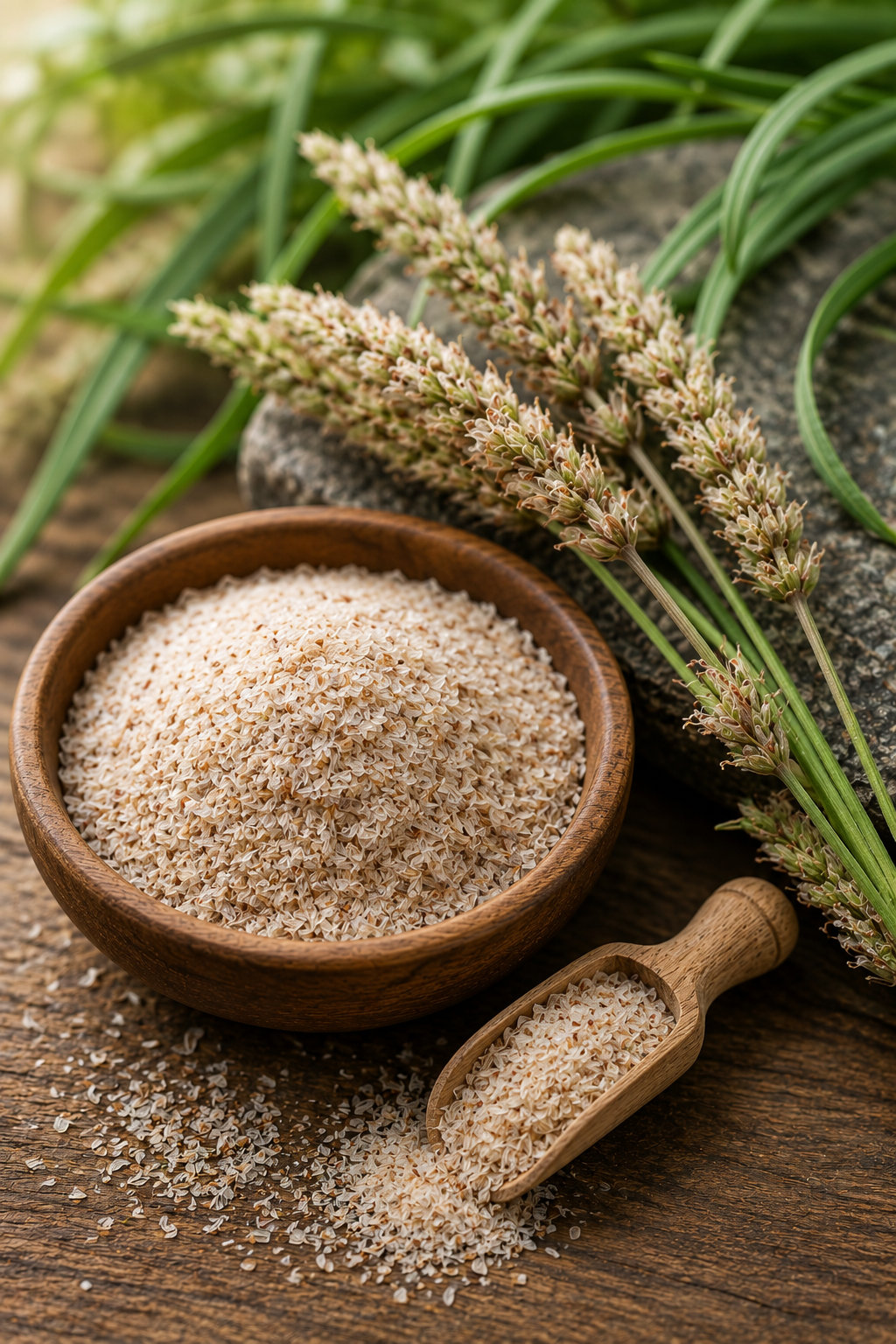
Psyllium husk and Plantago ovata seeds prepared for evidence-led review
Botanical identity, formulation and preparation matter. Findings from one preparation should not automatically be applied to another.

Evidence assessment

What does the current evidence support?

Established

Current evidence summary

Psyllium has established clinical use for constipation and is supported by evidence for lowering LDL cholesterol when incorporated into the diet. Meta-analytic evidence also suggests that psyllium can contribute to modest reductions in body weight, BMI and waist circumference in adults with overweight or obesity. Its principal value within BodyRepair is as a functional soluble fibre that can support bowel regularity, dietary fibre intake, satiety and selected metabolic outcomes rather than as a stand-alone weight-loss treatment.

Evidence limitations

Weight-management studies vary in dose, treatment duration, timing before meals, baseline diet and participant characteristics. Some trials use psyllium alongside broader calorie-control or lifestyle interventions. The observed weight effects are modest and should not be interpreted as equivalent to pharmacological obesity treatment. Individual tolerance also varies, particularly during early fibre escalation.

Clinical confidence High

BodyRepair has high confidence in the practical relevance of this item, while recognising that some limitations or population-specific considerations may remain.

Safety assessment

Safety is assessed separately from evidence of benefit.

Generally Well Tolerated

Current safety summary

Psyllium is generally well tolerated when taken with adequate fluid and according to product instructions. Its ability to swell and form a gel makes hydration essential. Inadequate fluid intake can increase the risk of choking or gastrointestinal obstruction, particularly in people with swallowing difficulties, intestinal narrowing or suspected bowel obstruction.

Reported or relevant adverse effects

  • Bloating or abdominal fullness
  • Gas
  • Abdominal discomfort or cramping
  • Nausea
  • Changes in stool frequency or consistency during dose adjustment
  • Rare allergic reactions
  • Risk of choking or gastrointestinal obstruction if taken without adequate fluid

Interaction review

Drug, Supplement & Botanical Interactions

Potential interactions should be reviewed in relation to the botanical preparation, dose, frequency, prescribed medicines, supplements and individual health circumstances.

Caution
Prescription medicine

Digoxin

Established

Psyllium may alter absorption of digoxin when taken too close together.

Recommended action

Separate psyllium and digoxin according to pharmacist or prescriber advice.

Medicine interaction

Salicylates / Aspirin

Established

Psyllium may affect absorption of salicylates when taken at the same time.

Recommended action

Follow pharmacist advice on spacing doses.

Prescription medicine

Nitrofurantoin

Established

Psyllium may affect absorption of nitrofurantoin when taken too close together.

Recommended action

Separate doses as advised by a pharmacist or prescriber.

General interaction review

Other oral medicines and supplements

Clinical Practice

Because psyllium forms a viscous gel in the gastrointestinal tract, it may delay or alter absorption of some oral medicines or supplements.

Recommended action

Ask a pharmacist about dose spacing when taking regular oral medicines or supplements.

BodyRepair safety rule

Do not stop, replace or alter prescribed treatment because of botanical information without advice from an appropriately qualified healthcare professional.

Clinical suitability

Contraindications & Clinical Cautions

Contraindications should be considered in relation to the botanical species, preparation, dose, diagnosed conditions, age, pregnancy, breastfeeding and planned procedures.

Caution
Clinical condition

Difficulty swallowing

Medical Supervision Required Established

Psyllium swells rapidly in contact with liquid and can present a choking risk in people with dysphagia or other swallowing difficulties.

Recommended action

Do not self-start psyllium without professional advice if swallowing is impaired.

Gastrointestinal condition

Intestinal blockage or suspected obstruction

Avoid Clinical Practice

Bulk-forming fibre may be unsuitable where intestinal obstruction, severe narrowing or impaired gastrointestinal transit is present or suspected.

Recommended action

Seek medical advice before use.

Clinical symptoms

Rectal bleeding or unexplained persistent bowel symptoms

Medical Supervision Required Clinical Practice

Unexplained bleeding, persistent abdominal pain or persistent changes in bowel habit require clinical assessment rather than self-treatment alone.

Recommended action

Seek medical assessment before relying on fibre supplementation.

Clinical treatment

Fluid restriction

Medical Supervision Required Clinical Practice

Psyllium requires adequate fluid intake, which may be unsuitable for people who are on a clinically prescribed fluid restriction.

Recommended action

Discuss use with the treating clinician before starting psyllium.

BodyRepair clinical rule

Where pregnancy, breastfeeding, surgery, a diagnosed condition, significant symptoms or prescribed treatment are relevant, professional review should take priority over self-directed use.

BodyRepair Interpretation

What BodyRepair concludes from the current record.

Psyllium has a stronger evidence base than many products marketed within botanical or natural-health settings because it is a functional soluble fibre with established digestive and cholesterol-related uses. BodyRepair considers psyllium potentially valuable within nourishment, bowel-health and weight-management strategies where hydration, medicine timing, gradual dose escalation and contraindications are addressed. It should be positioned as a supportive dietary fibre intervention rather than a substitute for comprehensive nutrition, medical assessment or licensed obesity treatment.

Living evidence record

Evidence Timeline

New studies, safety information, corrections, editorial decisions and version changes remain visible here.

9 August 2026 Canonical Review
Human Reviewed

Psyllium upgraded to the BT-013 canonical evidence standard.

The record was expanded to distinguish established digestive and cholesterol evidence from the more modest weight-management evidence and to strengthen hydration, swallowing and medicine-spacing safeguards.

2023 Systematic Review
Established

Meta-analysis reports modest reductions in weight-related measures.

A comprehensive systematic review and meta-analysis found that psyllium supplementation was associated with reductions in body weight, BMI and waist circumference among adults with overweight or obesity, while also identifying variation across studies.

Current Clinical Safety
Clinical Practice

Adequate fluid and medicine spacing remain core safety requirements.

MedlinePlus advises taking psyllium with sufficient liquid and highlights medicine interactions including digoxin, salicylates and nitrofurantoin, together with cautions around swallowing problems and bowel obstruction.

Current Cardiovascular Evidence
Established

Soluble fibre from psyllium remains recognised within cholesterol-related dietary evidence.

Regulatory and clinical guidance recognise soluble fibre from psyllium as part of dietary strategies associated with lower coronary heart disease risk when used within an appropriate diet.

Living evidence record

Evidence status may change as new research, safety information and human editorial review become available. BodyRepair records material changes rather than treating botanical evidence as permanently settled.

Human review history

Editorial accountability remains visible.

Version
1.1
Reviewed by
BodyRepair Editorial Review
Last reviewed
9 August 2026
Next review
9 November 2026
AI monitoring
Active
Publication authority
Human editorial approval

Source register

Evidence sources supporting this record.

MedlinePlus

Psyllium

Clinical use, fluid requirements, medicine interactions, swallowing precautions and gastrointestinal contraindications.

Open source
PubMed

Psyllium is a natural nonfermented gel-forming fiber that is effective for weight loss: A comprehensive review and meta-analysis

Weight, BMI and waist-circumference evidence in adults with overweight or obesity.

Open source
FDA

Authorized Health Claims That Meet the Significant Scientific Agreement Standard

Regulatory context for soluble fibre from psyllium and coronary heart disease risk reduction.

Open source

Future evidence monitoring

AI can monitor evidence. Humans retain publication authority.

BodyRepair may use artificial intelligence to identify new research, safety notices, corrections and retractions relevant to this botanical.

AI-generated findings remain drafts until reviewed and approved through the BodyRepair editorial process.

BodyRepair Botanical Therapies

Continue exploring the botanical evidence library.

Return to Botanical Therapies or explore the wider Evidence Centre.